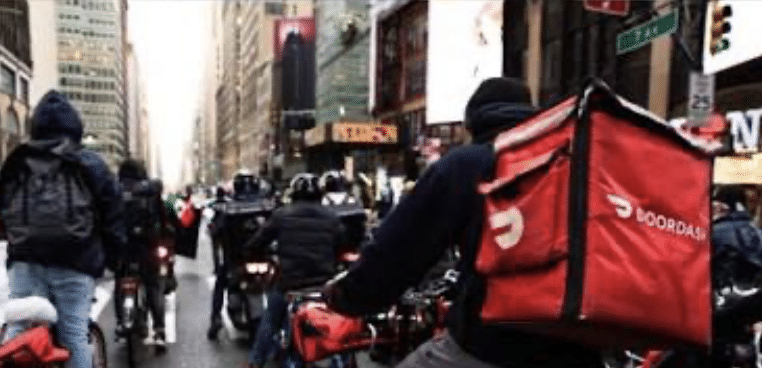
In New York, the mayor is using every tool of government: negotiating, organizing, and investigating workplace violations
The Office of Labor Relations is looking for two Assistant Negotiators. They will represent the mayor in negotiations with more than 350,000 unionized city employees, prepare for arbitration, and oversee labor agreements and contracts. It looks like an ordinary job posting, the kind that normally attracts little attention. But it signals something more: a city government strengthening its labor apparatus at home while taking on the same battle in the private sector.
On September 3, Mamdani signed the executive order creating the Mayor’s Office of Worker Power, formally presented on September 7, Labor Day. It is the first office of its kind in the United States. Its mission is to give workers tools to protect themselves, from training to connections with unions and organizations that can help them enforce their rights.
The office is headed by Tony Perlstein, a former longshoreman and organizer with the United Auto Workers, the union representing workers in the automotive industry.
The executive order also gives several city agencies a mandate to act even when no worker has yet filed a complaint. The process begins with employers that have a history of violations, using available data to identify and penalize unlawful practices before they turn into thousands of individual disputes.
The city’s investigative capacity is one of the tools the administration is putting to work. The recent investigation into one of the largest delivery companies is an example.
On September 22, Mamdani announced a $131.5 million agreement with DoorDash. More than $115 million will go directly to workers, while more than $16 million will cover civil penalties and costs. More than 260,000 delivery workers are set to benefit. According to the investigation by the Department of Consumer and Worker Protection (DCWP), workers had not been paid, had been paid late, or had received less than they were entitled to under city rules.
The DCWP investigation began with complaints from individual delivery workers and expanded to the company’s payment records. Investigators examined 152 million transactions and 110 million hours of work, cross-referencing the data to determine what individual workers were owed and identify additional violations, with automatic payments to affected workers.
The agreement also includes three years of monitoring. DoorDash will have to provide the city with monthly payment data, while workers will be able to submit their own trip and earnings data directly to the Department. That will allow the administration to identify potential new violations more quickly.
In January, delivery app Motoclick also came under scrutiny from city agencies over alleged violations of minimum-wage rules for delivery workers. Since the beginning of the year, the city says it has secured more than $104 million in additional tips and $725 million in wage increases.